



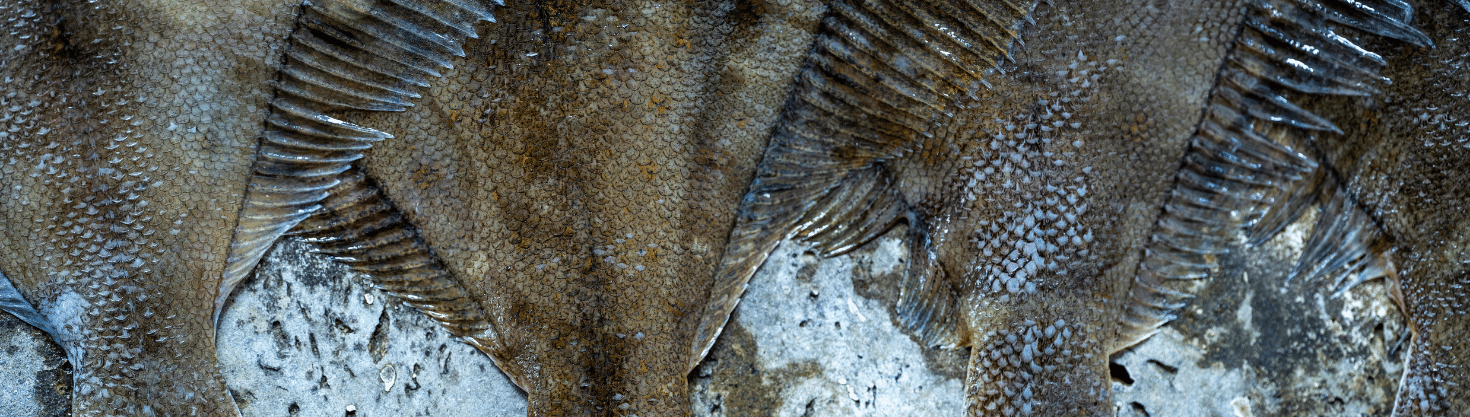


Our Seas, Our Fish, Our Food
Our Seas
Healthy oceans support food security, coastal livelihoods and the industry we work in. Promoting ocean health, and building resilience to the changes already underway, is central to all three. Oceans cover nearly three-quarters of Earth’s surface and sustain billions of lives: around 3 billion people (1) rely on wild-caught and farmed seafood as a significant source of animal protein, and more than 36 million (1) work directly in wild capture fisheries. Yet the pressures are mounting. Climate change is warming the oceans, leading to cascading effects such as melting ice, rising sea levels, marine heatwaves and acidification.
That’s why Our Sea initiatives bring together our efforts to address these challenges. We take part in industry initiatives like Seafood Europe, EU-funded fisheries management projects like MarineGuardian and ECO-CATCH and other fishery improvement projects. The aim is to reduce the environmental impacts identified in our double materiality assessment and to support more resilient marine ecosystems.
Our Fish
Whitefish from northern waters remain a valued source of daily nutrition. A significant share (over 70% in 2025 (2)) of whitefish fisheries is covered by recognised third-party certification schemes. In 2025, 99% of the fish raw material Espersen sourced are certified against third-party certification schemes such as MSC, ASC or Global G.A.P. However, cod quotas in Northern waters have been cut to their lowest levels since 1991 to protect stocks under pressure (3).
Climate change, unmanaged fishing and wider ecosystem strain all threaten the long-term availability of seafood, and no single processor solves that alone. So, we work where we have leverage – sourcing from certified and improving fisheries, reducing emissions in our own operations, and pressing for stronger fisheries management through the bodies we take part in. Guided by our Danish heritage of collaboration and stewardship, we balance economic, consumer and environmental priorities – developing new technologies, advancing traceability, and partnering with industry leaders, regulators and NGOs. Together we work to better understand and address risks affecting Our Fish and strengthen resilient supply chains.
Our Food
Global food systems are under growing pressure. With the world’s population projected to rise to around 8.5 billion by 2030 (4), meeting rising protein and nutrition needs remains one of the greatest sustainability challenges of our time.
At Espersen, we are committed to Our Food initiatives that provide fish and seafood people enjoy, that are produced at our own production sites in line with customer requirements and certified food safety schemes. We believe that providing seafood, that meets high standards of quality and safety, can contribute to food security, while our work on emission reduction, innovation, transparency and marine ecosystem initiatives supports our broader sustainability ambitions.
Based on our double materiality assessment, we have identified four focus areas that guide our programme. We work towards continuous improvement in these areas:
Marine Biodiversity & Ecosystems
Across our seafood value chain, we support marine biodiversity and ecosystem initiatives through both collaboration and engagement in fisheries initiatives. On top of this, we request seafood certifications from officially recognised third parties.
Resource Use
We work to improve the responsible use of resources to reduce the waste, water and energy intensity of our own production.
Worker Health & Welfare
We want all our employees to recognise Espersen as a good place to work, where health, safety and wellbeing are part of how we operate, wherever we are located.
Supply Chain Integrity
We apply due diligence across our supply chain, covering resource use and impacts on the environment. We are further committed to supporting the long-term availability of fish and seafood supplies, including wild and farmed fish raw materials, packaging and ingredients.
If you would like to find out more about our initiatives and how far along we are in our progress towards achieving our targets, please have a look at our latest sustainability report.
1 https://openknowledge.fao.org/handle/20.500.14283/cd8357en
2 https://www.msc.org/about-the-msc/reports-and-brochures
3 https://www.regjeringen.no/en/whats-new/enighet-om-norsk-russisk-fiskeriavtale-for-2026/id3143864/
4 https://population.un.org/wpp/